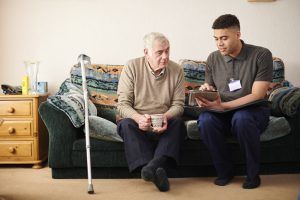
If you’re setting up as a self-employed carer, one of the first things clients are likely to ask is whether you have a DBS check.
The process has now become much simpler, so if you’re wondering how to get a self-employed carer DBS check, this guide explains who needs one, how to apply, and what the 2026 changes mean for you.
What’s Changed in 2026
As of 21 January 2026, eligible self-employed carers can apply for their own Enhanced DBS check through a registered DBS Umbrella Body. Before this change, Enhanced DBS checks were usually arranged by an employer or organisation.
This makes it much easier if you:
- Work directly for private clients
- Support people through direct payments
- Work as a personal assistant
- Have several clients rather than one employer
Instead of relying on someone else to arrange your DBS check, you can now organise it yourself and show your certificate to prospective clients when they are deciding who to employ.
Do You Need a DBS Check?
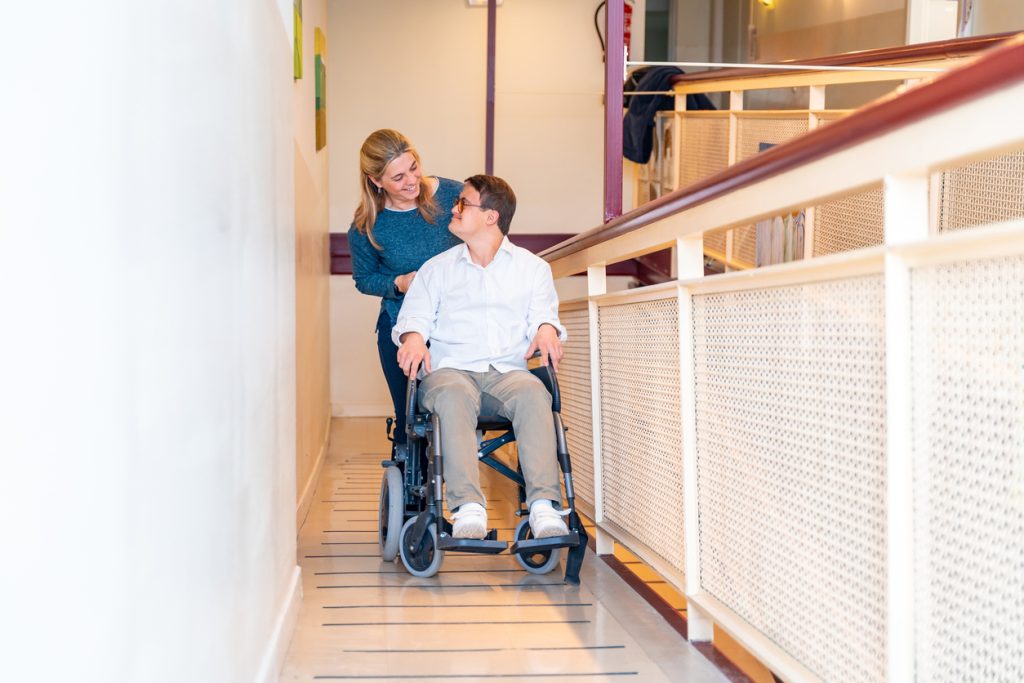
If you provide personal care as a self-employed carer, you’ll usually need a DBS check.
Many private clients, local councils and personal assistant registers expect carers to have one before they start work. Some local authorities may also ask to see a copy before approving or continuing direct payment arrangements.
Rather than seeing it as another task on your list, think of it as something that gives clients confidence. It shows you’ve taken the right steps to work safely and professionally.
Which Level of DBS Check You Need
The level of DBS check depends on the work you carry out. If you provide personal care to adults such as washing, dressing, eating and drinking, using the toilet, and managing medication, you’ll likely need an Enhanced DBS check with the Adults’ Barred List.
This applies where personal care is provided on more than three days in any 30 day period.
If you’re unsure whether your role is eligible, the Umbrella Body can help confirm this before your application is submitted.
How to Apply Through an Umbrella Body
You can’t apply directly to the DBS yourself for an Enhanced check. Instead, you’ll need to use a registered DBS Umbrella Body.
1. Choose a registered Umbrella Body
Select a DBS Umbrella Body that accepts applications from self-employed people.
2. Check your role is eligible
The Umbrella Body will confirm that your caring role qualifies for an Enhanced DBS check.
3. Prove your identity
You’ll need to provide identity documents, such as your passport, driving licence or proof of address.
4. Your application is submitted
The Umbrella Body submits your application to the Disclosure and Barring Service.
5. Track your application
Many Umbrella Bodies allow you to track your application online.
6. Receive your certificate
Once your application has been completed, your DBS certificate will be posted to you. You can then show it to prospective clients when requested.

Self Employed Carer Insurance
Cover available for:
- Public Liability up to £5m
- Loss or Damage to Property
- Accidental Injury & Legal Expenses
- No Hidden Fees, No Excess
What It Costs and How Long It Takes
The official fee for an Enhanced DBS check is £49.50. If you’re applying through a registered DBS Umbrella Body, you’ll also pay an administration fee, which varies depending on the provider you choose.
In most cases, the total cost is likely to be between £55 and £70, depending on the Umbrella Body’s fee.
Most certificates are returned within a couple of weeks, although some applications can take longer if additional checks are needed.
The DBS Update Service
If you work with several clients, it’s worth joining the DBS Update Service, which costs £16 per year.
This allows clients to check that your DBS certificate is still current without you needing to apply for a new one each time you start working with someone new.
To join, you’ll need to register within 30 days of the issue date shown on your DBS certificate.
Keeping Your DBS Up to Date
A DBS certificate doesn’t have an official expiry date. However, many clients, local councils and personal assistant registers prefer to see a certificate that’s less than three years old, or one that’s covered by an active DBS Update Service subscription.
Keeping your self-employed carer DBS up to date makes it easier to reassure new clients that your background checks are still current.
Insuring Your Care Work
A DBS check is just one part of setting yourself up as a self-employed carer. It’s also worth making sure you have appropriate insurance in place before you begin working with clients.
Our Self-Employed Carer Insurance includes Public Liability Insurance and other cover designed for people working independently. Always check your policy documents to understand exactly what’s included and any exclusions that apply.
If you’re just getting started, our guide on How to Become a Self-Employed Carer explains the steps involved, from registering as self-employed to finding your first clients.
Frequently Asked Questions
Can self-employed carers get their own DBS check?
Yes. Since 21 January 2026, eligible self-employed carers can apply for their own Enhanced DBS check through a registered DBS Umbrella Body without needing an employer to apply on their behalf.
Can I apply to the DBS directly myself?
No. If you need an Enhanced DBS check, you’ll need to apply through a registered DBS Umbrella Body. You can’t apply directly to the DBS yourself.
What DBS level do self-employed carers need?
If you provide regulated personal care, you usually need an Enhanced DBS check with the Adults’ Barred List.
How long does a DBS check last?
A DBS certificate doesn’t have an official expiry date. However, many clients and councils prefer one that’s less than three years old, or a certificate linked to the DBS Update Service.
How much does it cost?
An Enhanced DBS check costs £49.50, plus an administration fee charged by the registered DBS Umbrella Body you use. The total cost is usually between £55 and £70, depending on the provider.