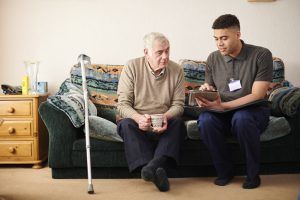
Being a self-employed carer means you have to manage more than just your clients and care work. You also need to keep track of your income, expenses and tax.
Knowing which self-employed carer expenses you can claim can help you work out your taxable profit and make sure you are not paying more tax than necessary.
Allowable expenses are business costs that can be deducted from your income when working out your taxable profit. For example, if your business makes £30,000 and you have £5,000 in allowable expenses, your taxable profit would be £25,000.
In this guide, we look at some of the most common expenses self-employed carers may be able to claim. If you are unsure whether you can claim a particular expense, speak to an accountant or check the latest guidance from GOV.UK.
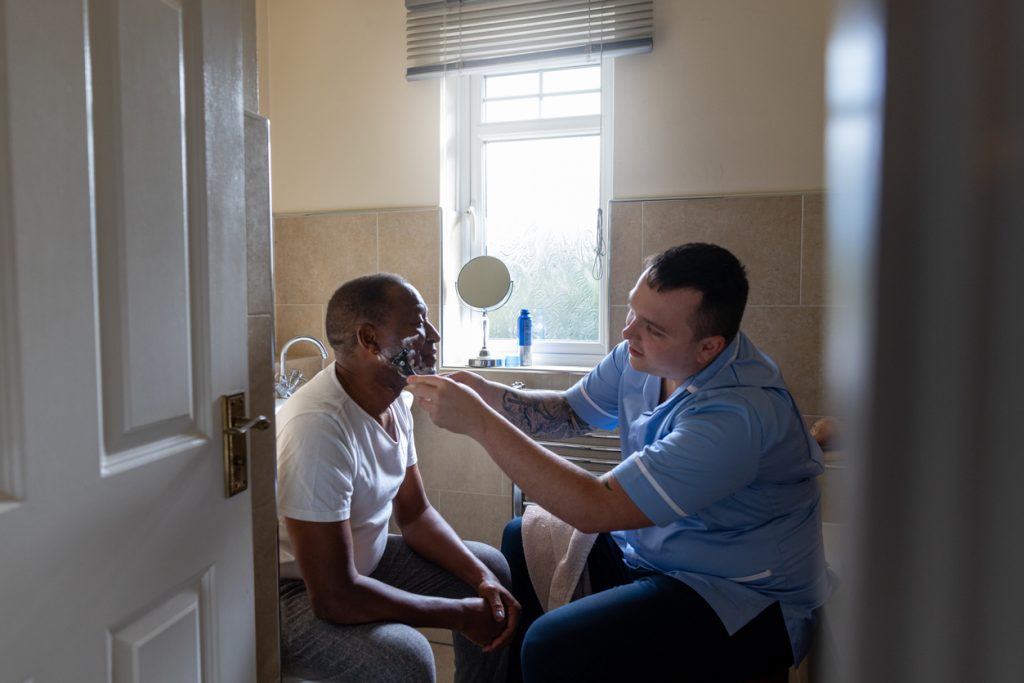
What Counts as an Allowable Expense
An allowable expense is a cost that is for your business rather than your personal use.
For self-employed carers, this could include things you need to carry out your care work, such as travel, protective clothing, insurance, training and business equipment.
The cost needs to be related to your work. If something is used for both business and personal reasons, you can usually only claim the business part.
For example, if you use your mobile phone for both work and personal calls, you can only claim the proportion that relates to your business.
You can see the full list of common allowable expenses in the GOV.UK guide for self-employed people.
Travel and Mileage
Travel can be a significant expense for carers who travel between clients.
If you use your own car or van for eligible business journeys, you may be able to use HMRC’s simplified mileage rate rather than working out the actual cost of running your vehicle.
For the 2026 to 2027 tax year, the rate for cars and goods vehicles is 55p per business mile for the first 10,000 miles, then 25p for each mile over 10,000. These rates were increased from 6 April 2026.
You cannot claim for private journeys or ordinary travel between your home and work. Travel between clients as part of your care work can be an allowable business journey.
You can check the current rates on GOV.UK’s mileage rates guidance.
It is important to keep a mileage log throughout the year. Record the date, journey, reason for the journey and number of business miles.

Self Employed Carer Insurance
Cover available for:
- Public Liability up to £5m
- Loss or Damage to Property
- Accidental Injury & Legal Expenses
- No Hidden Fees, No Excess
PPE and Uniform
If you need protective clothing or PPE to carry out your work, you may be able to claim the cost as a business expense.
For carers, this could include items such as:
- Gloves
- Aprons
- Masks
- Other protective clothing needed for your work
GOV.UK guidance confirms that uniforms and protective clothing needed for your work can be allowable expenses, while everyday clothing cannot normally be claimed.
Training and DBS
If you pay for training or CPD that helps you maintain or improve the skills you already use in your care work, you may be able to claim the cost as a business expense.
This could include relevant courses, refresher training and professional development. GOV.UK explains which training costs you may be able to claim.
You may also need to pay for a DBS check as part of your work. If the check is required for your self-employed care business, it may be an allowable business expense. Keep a record of the cost with your other business expenses and check with an accountant or HMRC if you are unsure.
Insurance
Having the right insurance is an important part of running a self-employed care business. Public liability insurance can help protect you if something goes wrong while you are carrying out your work.
The cost of business insurance can also be an allowable expense. This can include your Self-Employed Carer Insurance premium where the policy relates to your care work.
Find out more about Self-Employed Carer Insurance from Surewise. Always check your policy wording for details of what is covered.
You can see the current rules in the GOV.UK guidance on legal and financial costs.
Phone, Admin and Working From Home
Running a care business also means dealing with calls, messages, paperwork, appointments and other admin.
If you use your phone for both work and personal reasons, you can claim the proportion of the cost that relates to your care business.
You may also be able to claim for working from home if you carry out business admin such as managing appointments, completing paperwork or dealing with invoices. You can either work out a reasonable proportion of your actual household costs or use HMRC’s simplified expenses rate if you meet the requirements. GOV.UK explains the rules for working from home.
Equipment and Other Costs
You may also have other costs from running your care business that can be claimed as allowable expenses.
These could include equipment or kit you need for your work, internet, stationery, postage, printing, accounting software, business apps and relevant professional memberships.
If you are buying expensive equipment, check the rules before claiming it, as different rules can apply depending on what you buy and how you account for your business.
Keeping Records
Keeping good records throughout the year makes it much easier to complete your tax return.
Keep your receipts, invoices and other evidence for your business expenses. You should also keep a mileage log if you are claiming mileage.
You do not normally need to send your receipts to HMRC with your tax return, but you must keep them in case HMRC asks to see them. Keep your records for at least five years after the 31 January submission deadline for the relevant tax year.
It is much easier to keep track of your expenses as you go rather than trying to find receipts and work out your mileage at the end of the tax year. If your gross income from self-employment is £1,000 or less in a tax year, you may not need to tell HMRC or file a tax return, although there are some exceptions.
Getting Help With Your Tax
Working out your tax as a self-employed carer can seem complicated, particularly when you are also managing clients and providing care.
This article is intended as general information and is not tax advice. Tax rules can change, and the expenses you can claim will depend on your individual circumstances.
If you are unsure whether a particular cost is an allowable expense, speak to an accountant or check the latest GOV.UK guidance on expenses for self-employed people.
Keeping your receipts, mileage and other records up to date throughout the year can make completing your Self Assessment much easier. If you are new to self-employment, our guide to becoming a self-employed carer covers the steps involved in setting up and getting started.
FAQs
Can I claim mileage as a self-employed carer?
Yes, if the journey is an eligible business journey and you meet HMRC’s requirements for using simplified mileage expenses.
You cannot claim for private journeys or travel between your home and your normal place of work. Remember to keep a log.
Can I claim for PPE and my uniform?
Yes. Protective clothing and uniforms needed for your work can be allowable business expenses. Everyday clothing cannot normally be claimed, even if you wear it for work.
Is my insurance a tax-deductible expense?
Yes. Business insurance can be an allowable expense, including public liability insurance. This can include insurance for your self-employed care work where the policy is for your business.
Can I claim for working from home?
Yes. If you carry out business admin from home, you may be able to claim a proportion of your household costs or use HMRC’s simplified expenses method if you meet the requirements.
Do I need to keep receipts?
Yes. You should keep receipts and other records that support your business expenses, along with a mileage log if you claim mileage. Self-employed carers should keep their records for at least five years after the 31 January submission deadline.