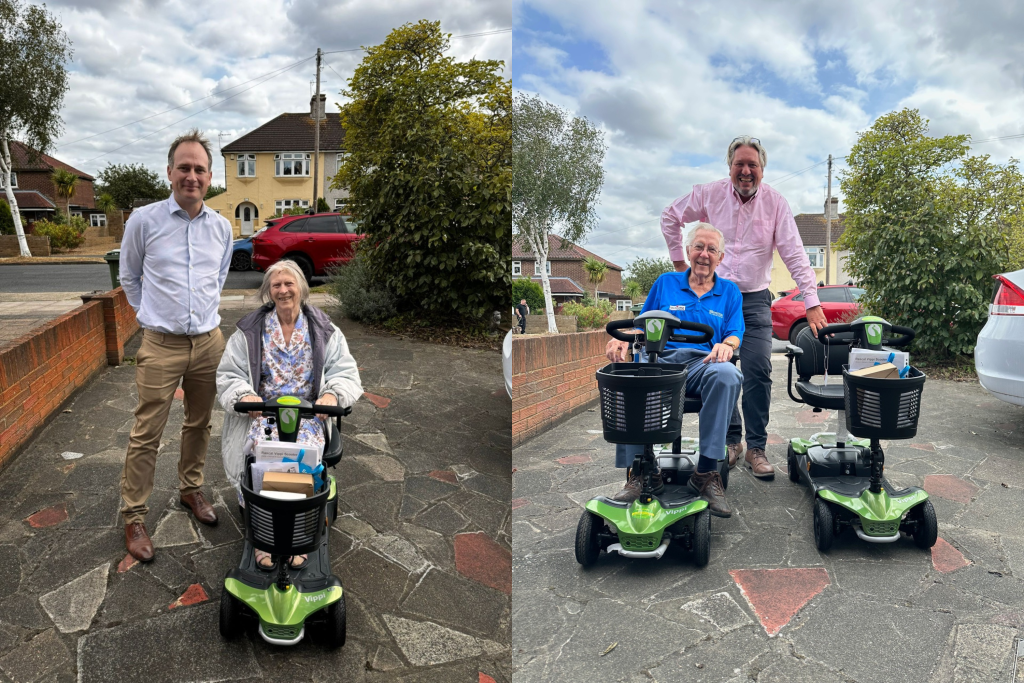
For many people with mobility challenges, a mobility scooter can be life‑changing, offering freedom to get out, socialise and stay independent. However, the cost of a brand‑new mobility scooter can range from a few hundred pounds to several thousand, making them a significant investment for many people.
Industry research indicates that there are around 300,000–350,000 mobility scooter users in the UK, and this number is growing steadily as the population ages and demand for independent mobility rises.
In this 2026 guide, we explain how you could access a free or affordable mobility scooter in the UK, along with other funding routes, including grants and local council assistance.
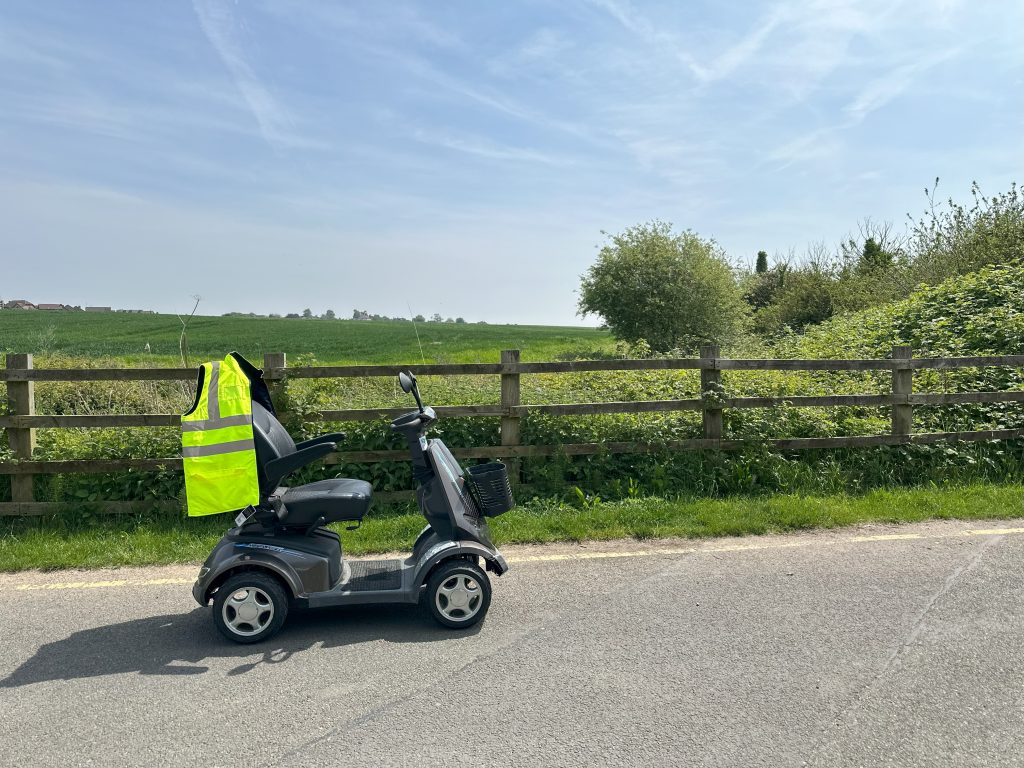
NHS Schemes
A common question is whether the NHS provides mobility scooters. According to NHS guidance, while they may supply walking aids or manual wheelchairs where clinically necessary, free powered mobility scooters are rarely provided. Their focus is on equipment essential for rehabilitation and clinical needs rather than independent mobility.
However, the NHS can offer assessments through wheelchair services or occupational therapists, which may help when applying for charity grants or Motability support. Some local NHS pathways, such as Continuing Healthcare assessments, can identify eligibility for mobility equipment, though this is limited and strictly need-based.
If you are uncertain about what support you may qualify for, contacting your local wheelchair service or NHS occupational therapist is a good first step. They can provide you with documentation that may be required for grant applications or Motability registration.
Motability
The Motability Scheme is one of the most effective ways to access a mobility scooter in the UK without paying the full cost upfront. According to the Motability Scheme, eligible individuals can exchange their qualifying mobility allowance for a scooter or powered wheelchair instead of purchasing one outright.
How it works
To qualify for the scheme, you must receive:
- The higher mobility component of Personal Independence Payment (PIP)
- The higher rate mobility part of Disability Living Allowance (DLA)
While not technically “free,” the scheme allows people to use their benefit to access mobility equipment without large upfront payments.
Motability Foundation grants
If you are unable to afford a standard lease, the Motability Foundation offers grants to support community organisations that help individuals gain access to mobility scooters and powered wheelchairs. According to their reports, these grants have helped hundreds of disabled people obtain equipment through local charities and mobility programmes.
For more information on the Motability scheme, see our detailed 2026 guide here.
Charities
There are several UK-wide charities that offer funding or guidance to help people access mobility scooters. Not all charities provide mobility scooters directly; many offer grants for essential mobility equipment or help people locate appropriate funding.
Some grant-giving charities include:
- The Mobility Trust: Provides grants for people with severe disabilities who cannot access suitable mobility equipment through statutory schemes.
- Independence at Home: Offers grants (up to £500) for essential mobility and household equipment for people with long-term illness or disability. Applications are normally submitted via a healthcare or support professional.
- Barchester’s Charitable Foundation: Supports older and disabled people with grants for mobility aids and essential equipment.
- Family Fund: Offers grants for families raising disabled or seriously ill children, including mobility equipment where it significantly improves day-to-day life.
Support organisations that can help you find funding
These charities don’t directly pay for mobility equipment, but they do offer helpful tools and guidance for finding grants:
- Turn2us: One of the UK’s most comprehensive grants search tools, making it easier to find charities and funds that might support mobility equipment.
- Scope: Provides expert advice on disability benefits, equipment funding and independent living support, and offers guidance on suitable grant opportunities.
How charitable funding works
Charitable funding is usually means-tested and has a limited budget. Most charities will need medical confirmation that a mobility scooter is necessary (either from a GP or occupational therapist).
Grants are awarded based on financial need, impact on independence, and urgency of requirement. Having clear supporting evidence and professional referrals can significantly improve your chances of success.

Mobility Insurance
Cover includes:
- Theft, Vandalism & Accidental Damage
- Third Party Liability & Legal Expenses
- Multiple Riders & No Age Limit
- No Hidden Fees & No Excess
Local council
Local councils also provide a range of mobility support schemes which are separate from charities and national grants. This includes:
Many councils run Shopmobility programmes, which allow people to borrow scooters or powered wheelchairs for short-term use, either for free or for a small charge. These schemes are ideal for shopping trips or appointments and ensure people without a scooter can still access local services.
Disabled Facilities Grant (DFG)
Councils also manage the Disabled Facilities Grant, which usually pays for home adaptations such as ramps or stairlifts. It doesn’t normally cover mobility scooters, but your local council may be able to advise you on charities or other funding options that could help.
Social Care Assessments
If you are eligible for adult social care, your local council may assess to identify additional mobility needs. These assessments can provide letters of support for grant applications or access to funded equipment schemes.
Disability Grants
National government-backed schemes provide further options for financial support:
- Access to Work: Helps fund mobility equipment if it enables someone to get to work or perform job duties. Data from gov.uk shows many eligible applicants receive equipment funding, travel support, or adaptations.
There are also some condition-specific or work-related grants that may help with the cost of a mobility scooter or equipment. These support people who need equipment to stay in work, education, or live independently.
Unlike charity funding, national disability grants are official government schemes and are usually linked to employment or education, rather than being purely based on low income.
Once you have a Mobility Scooter – Insurance
Mobility scooter use in the UK has grown steadily over the past decade, reflecting its importance in maintaining independence and quality of life. While free scooters from the NHS are rare, many people successfully secure support through:
- Subsidised leasing via Motability
- Grants from UK-wide charities
- Local council services such as Shopmobility
- Government schemes like Access to Work
By combining these routes and seeking an assessment from your GP, occupational therapist or local wheelchair service, you can identify the most appropriate equipment and funding options available to you.
Once you obtain a mobility scooter, it’s essential to protect yourself and the equipment. Industry guidance emphasises that insurance is crucial for accidental damage, theft, or third-party liability. Many policies also offer optional breakdown coverage, giving extra peace of mind.
Whether you have a scooter through Motability, a charitable grant, or a council service, you can explore our mobility scooter insurance options here.