The Motability Scheme allows eligible people to lease a car, mobility scooter or powered wheelchair using their disability benefits. It’s designed to make mobility more affordable and manageable, with insurance, servicing and breakdown cover often included.
But not everyone qualifies, and the eligibility rules can be confusing.
This guide covers who the scheme is for, how to apply, and what to do if you’re not eligible.
In Short
- The Motability Scheme lets eligible people lease a car, mobility scooter or powered wheelchair using their mobility benefit.
- To qualify, you must receive the enhanced rate mobility component of PIP or another qualifying benefit.
- The lease usually includes insurance, servicing and breakdown cover.
- Some vehicles require an advance payment.
- If you’re not eligible, you can buy a mobility scooter privately and arrange your own insurance.
What Is the Motability Scheme?
Definition: The Motability Scheme is a UK programme that allows eligible disabled people to lease a car, mobility scooter or powered wheelchair using their mobility benefits.
Instead of paying up front, you use your qualifying mobility benefit to lease a vehicle for a fixed period.
This is usually three years for cars and five years for scooters and powered wheelchairs.
The lease typically covers the vehicle and many of the running costs. This helps keep expenses predictable and avoids large one-off payments.
Motability is not just for cars, though. The scheme also includes mobility scooters and powered wheelchairs, which makes it suitable for a wide range of mobility needs.

Who Is Eligible for Motability?
Motability scheme eligibility depends on the disability benefits you receive and the rate you’re paid.
This is where many people feel unsure, especially those receiving Personal Independence Payment (PIP).
To qualify for Motability, you must receive one of the following:
- Personal Independence Payment (PIP) – enhanced rate mobility component
- Disability Living Allowance (DLA) – higher rate mobility component
- Armed Forces Independence Payment (AFIP)
- War Pensioners’ Mobility Supplement (WPMS)
If you receive the daily living part of PIP or the standard rate of mobility, you will not be eligible. This can feel frustrating, but it is a fixed rule of the scheme. Your benefit award must also last long enough to cover the full lease period.
Benefits That Qualify You
Motability eligibility is based on the mobility part of certain benefits.
For PIP, this means:
- You must receive the enhanced rate of the mobility component
- The standard rate does not qualify
If you’re unsure which rate you receive, check your latest decision letter. It will confirm whether you qualify. If your benefit award changes during your lease, Motability may review your eligibility.
Motability for Mobility Scooters
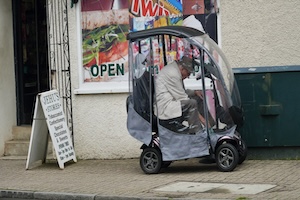
A mobility scooter can be a simple and practical way to stay independent, especially for short journeys or local trips. If you qualify, the Motability Scheme lets you lease an approved mobility scooter instead of buying one outright. Scooters are supplied by authorised dealers and usually include servicing and maintenance during the lease.
Choice is more limited than with cars. Not all scooter models are available and stock can change.
It’s also important to know that Motability scooters are leased, not owned. At the end of the lease, the scooter is returned.
Motability for Powered Wheelchairs
Powered wheelchairs are available through Motability for people who need more support than a scooter can provide.
They are often suitable for people who:
- Rely on powered mobility every day
- Need specialist seating or controls
- Require long-term mobility support
These Motability wheelchairs are leased under fixed terms. Availability depends on eligibility and approved suppliers. If your needs are complex, speaking with an authorised dealer can help make sure the equipment is right for you.
How to Apply to Motability
Once eligibility is confirmed, applying to Motability is usually straightforward.
The process normally involves:
- Confirming your benefit and eligibility
- Choosing a vehicle from an approved Motability dealer
- Using your mobility benefit to pay for the lease
- Completing any required checks
- Signing the lease agreement
Most applications are handled by dealers, who can guide you through each step and explain what’s included.
What’s Included in the Lease?
One of the main benefits of Motability is that many costs are included in one package.
Depending on the vehicle, this usually includes:
- Insurance
- Servicing and maintenance
- Breakdown cover
- Tyre replacement
- Some adaptations, where needed
This makes costs easier to manage and reduces the need to arrange separate cover.
Advance Payments Explained
Some Motability vehicles require an advance payment. This is a one-off upfront cost.
The amount depends on:
- The type of vehicle
- The model you choose
- Any adaptations needed
Not all vehicles require an advance payment, though. Usually, higher-spec or specialist options are more likely to need one.
Knowing this early helps you plan and compare Motability with private options.
What Happens When Your Lease Ends?
When your Motability lease ends, you usually have a few choices.
You can:
- Return the vehicle and start a new lease
- Choose a different vehicle
- Leave the scheme if you no longer qualify
Vehicles are returned in reasonable condition, allowing for normal wear and tear.
If you no longer meet the eligibility rules, this is often when people look at private mobility options.
Alternatives If You’re Not Eligible
Not qualifying for Motability can be disappointing, especially if mobility support is important to you.
The good news is that Motability is not the only option.
Many people choose to:
- Buy a mobility scooter privately
- Look for help from charities or local councils
- Buy refurbished or second-hand equipment
In some cases, it may also be possible to get a mobility scooter at low or no cost through other schemes.
Private options can offer more flexibility, but they also mean taking on more responsibility.
Here’s a handy comparison table for you to compare buying privately against the Motability scheme.
| Feature | Motability Scheme | Buying Privately |
| Eligibility | Requires qualifying mobility benefits | No eligibility rules |
| Upfront Cost | Usually none (possibly some advance payments) | Full purchase cost |
| Ownership | Vehicle is leased | You own the scooter |
| Insurance | Usually included | Must be arranged separately |
| Servicing and Repairs | Usually included | Paid for by you |
| Flexibility | Limited to approved models | Full choice of models |
In short: Motability offers convenience and predictable costs, while private ownership offers more choice and control.
Buying Your Own Scooter and Getting Insurance
If you buy your own mobility scooter, you are responsible for ongoing costs.
This usually includes:
- Insurance
- Servicing
- Repairs and cover for theft or damage if you don’t opt for insurance
Mobility scooter insurance is not legally required in the UK, but it is strongly recommended.
It can protect you if you’re involved in an accident or if your scooter is damaged or stolen.
You can learn more about insurance options here:
Frequently Asked Questions
What is the Motability Scheme?
The Motability Scheme allows eligible disabled people to lease a car, mobility scooter or powered wheelchair using their mobility benefits.
Who is eligible for the Motability Scheme?
Motability scheme eligibility depends on receiving the enhanced rate mobility component of PIP or another qualifying mobility benefit.
Can I get a mobility scooter through the Motability Scheme?
Yes. If you are eligible, you can lease an approved mobility scooter through the Motability Scheme instead of buying one outright.
What benefits qualify for Motability?
You must receive the enhanced rate mobility component of PIP, the higher rate mobility component of DLA, AFIP or WPMS.
What if I’m not eligible for the Motability Scheme?
If you’re not eligible, you can buy a mobility scooter privately and arrange your own insurance, servicing and maintenance.