Scams are now one of the most common crimes in the UK, and older adults are being heavily targeted. Scammers know that many older adults are more likely to answer landlines, trust doorstep callers, or respond to letters and texts that appear genuine.
That doesn’t mean older people are naïve. Scammers are getting more convincing and harder to spot.
Recent industry figures show that more than 1.8 million over-65s were targeted by online scams in the past year alone, with average losses of over £800 per victim. Scams across the UK continue to rise, with over £629 million stolen in the first half of 2025.
The good news is that most scams follow familiar patterns. Once you know the warning signs, they become much easier to spot.
The Most Common Scams Targeting Older People in the UK
Scams aimed at older adults usually fall into four main categories:
- Doorstep scams
This is when cold callers turn up at your home unexpectedly. Common examples include:
- Fake roofers or driveway cleaners
- Rogue gardeners or tree surgeons
- People claiming to work for the council or water company
- Traders demanding payment up front
- Distraction burglaries, where one person keeps you talking while another enters the home.
- Phone scams
Phone scams remain one of the biggest scams targeting seniors in the UK. UK Finance data shows that around 1 in 6 scam cases now start with a phone call or text message.
Fraudsters on the phone may pretend to be:
- Your bank
- HMRC
- The police
- Broadband providers
- A delivery company
Some scams use technology to make the caller ID look real.
- Text message scams
These text messages may involve fake delivery updates, missed parcel notifications, unpaid parking fines, bank security alerts or pretend to be a family member in trouble.
The message usually includes a link designed to steal personal or banking information.
- Online scams
Online scams are getting harder to spot and now include:
- Fake shopping websites
- Investment fraud
- Fake charity appeals
- Email phishing scams
- Social media impersonation
- Romance scams
Investment scams are especially common among people over 55 and cause some of the highest financial losses in the UK. Latest figures show almost £880 million was lost to investment fraud in 2025 alone.
Doorstep Scams: What to Watch For
Most legitimate companies do not turn up at your door unannounced, demanding immediate work or payment.
Common warning signs include:
- “We noticed a problem while working nearby.” A trader might claim they spotted loose tiles, damaged guttering, unsafe paving, or dangerous trees, but the “problem” may not even exist.
- Pressure to act immediately: Scammers want quick decisions before you have time to think or speak to family members. You may hear: “This needs fixing today”, “It’s dangerous”, or “You’ll save money if you pay now.”
- Requests for cash upfront: Be cautious of anyone asking for immediate cash payments or bank transfers before work begins.
- No paperwork or company details: Legitimate traders should be able to provide a business address, contact details, written quotes, and insurance information.
How to stay safe from doorstep scams:
- Never agree to work on the spot
- Don’t feel pressured to open the door
- Use a door chain where possible
- Ask for ID and check it properly
- Speak to family or neighbours before agreeing to work
- Use trusted trader schemes or recommendations
If something feels wrong, it probably is.
Phone and Text Scams
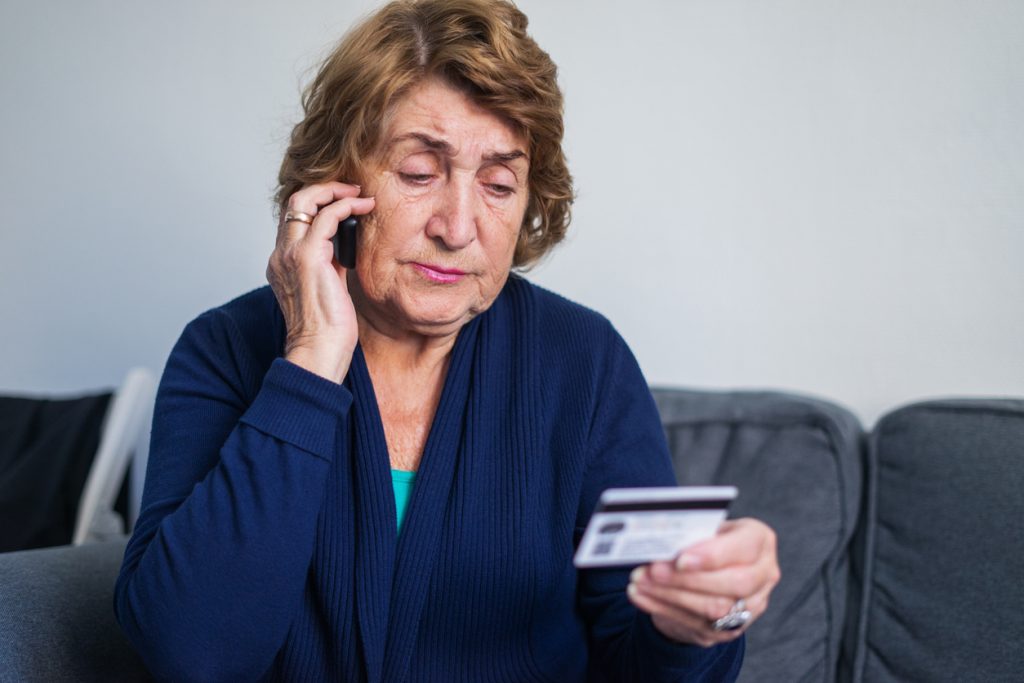
Scam calls can sound very convincing. This is because scammers use personal information gathered online to make their story seem believable. Common phone scams affecting older adults include:
- Bank impersonation scams: A caller claims suspicious activity has been detected on your account. They may ask you to transfer money to a “safe account”, reveal PIN numbers or passwords or read out one-time banking codes. Your bank should never ask you to do this.
- HMRC or police scams: These calls usually involve threats such as arrest, court action, or unpaid tax demands. Some scammers even claim your bank account has been linked to criminal activity.
- Family emergency scams: Sometimes called “grandparent scams”, these involve fraudsters pretending to be a grandchild or relative needing urgent money. AI voice cloning has made these scams harder to spot in recent years.
- Delivery text scams: Texts pretending to be from Royal Mail, DPD or Evri asking for a small fee to rearrange delivery. The links usually lead to fake websites made to steal payment details.
How to protect yourself from phone and text scams:
- Never give banking information over the phone
- Hang up and call the company back using an official number
- Ignore unexpected links in texts
- Don’t trust caller ID alone
- Take your time, as genuine organisations won’t pressure you
- If you’re unsure, speak to someone you trust first.
Online Scams and Phishing
Online scams now affect millions of people across the UK every year. National Trading Standards reported that 6.4 million UK shoppers lost money after clicking on fake online adverts. Common online and phishing scams include:
- Fake shopping websites: scammers create convincing websites offering items like mobility scooters, electrical items, garden furniture, clothing and mobility aids. Prices are usually much cheaper than expected, and typical warning signs include: no customer service number, poor spelling or grammar, only bank transfer payment options and unrealistically low prices.
- Phishing emails: These emails try to trick you into revealing personal details. They may claim your account has been hacked, a payment failed or that you need to reset a password urgently.
- Romance scams: Fraudsters build emotional relationships online before asking for money. Requests might involve medical emergencies, travel costs, military leave fees or investment opportunities. These scams can continue for months before victims realise.
- Investment scams: Older adults are frequently targeted with fake investment opportunities promising high returns. Common examples include cryptocurrency schemes, gold investments, property developments and pension transfers.
Warning Signs Someone Is Being Scammed
Scams don’t always happen just once. Many victims are repeatedly targeted after responding to earlier fraud attempts.
Look out for signs such as:
- Increased secrecy around finances
- Large unexplained withdrawals
- Lots of calls from unknown numbers
- Piles of suspicious mail
- Anxiety after phone calls
- Sudden online relationships
- Unusual bank transfers
- Reluctance to discuss money
Older people who live alone can be particularly vulnerable because scammers often exploit loneliness and trust. Family members should approach the subject carefully and without judgment. Many victims feel embarrassed, which can stop them from asking for help.
How to Protect Yourself and Your Family
- Stop before acting: It helps to take time to think before sending money or sharing details.
- Talk to someone you trust: A quick conversation with family or friends can help spot warning signs.
- Use call blocking: Many phones now include scam call blocking features.
- Strengthen passwords: Use strong, separate passwords for online accounts where possible.
- Be careful on social media: Avoid sharing personal information publicly, including birthdays, addresses, or holiday plans.
- Check before buying online: Look for secure payment methods, genuine reviews, and clear contact information.
- Register with the Telephone Preference Service (TPS): This can reduce nuisance sales calls.
If you rely on mobility scooters or other essential equipment to stay independent, it can also help to think more broadly about everyday risks like theft or damage when out and about. Our Mobility Scooter Insurance offers practical cover for that added reassurance.
What to Do If You’ve Been Scammed
Being scammed can feel upsetting and embarrassing, but it’s important to act quickly. You are not alone, and support is available.
1. Contact your bank immediately
If money has been taken or bank details shared:
- Call your bank straight away
- Freeze cards if necessary
- Change passwords
Many banks now have specialist fraud teams.
2. Report the scam
In the UK, scams and fraud can be reported to:
- Action Fraud
- Citizens Advice consumer service
- Your local police if you feel threatened or unsafe
3. Stop further contact
Block phone numbers, emails, and social media accounts connected to the scam.
4. Check devices for security issues
If you clicked suspicious links, consider:
- Running antivirus software
- Updating passwords
- Asking a trusted expert for help
5. Speak to family or friends
Scammers usually rely on victims staying silent, so talking openly can help prevent further harm.
Useful Contacts and Support
Staying aware and taking your time with unexpected calls or messages can make a big difference. If something doesn’t feel right, it’s always worth checking before taking any action.
If you think you’ve been targeted or need support, here are some useful contacts and organisations in the UK that can help.
The UK’s national reporting centre for fraud and cybercrime.
Offers guidance on scams, consumer rights, and reporting fraud.
Provides support and advice for older adults, including scam awareness resources.
Practical advice on staying safe from financial fraud.
Free registration service to help reduce unwanted sales calls.