Moving house is one of the most stressful things we go through, and packing is often what causes the most stress and anxiety.
According to YouGov, around 1.8 million households in England and Wales moved house in the past 12 months. So, if you’re looking to move house in 2026, you’re not alone.
With so much to remember, it can be hard to know where to start, but whether you’re moving far or only down the road, our handy guide on how to pack for moving house in 2026 will help you stay organised from start to finish.
Step by step, we will cover how to pack room by room, saving you time, stress, and ultimately making unpacking in your new house a lot easier.

Packing Supplies for Moving
Before you start diving into packing, make sure you have all the essential packing supplies you need to make the process easier:
- Strong moving boxes: You will need plenty of these! Having a wide range of sizes will make organising room by room easier.
- Packing tape: This is essential as you will be sealing boxes to ensure your belongings are transported safely.
- Bubble wrap and packing paper: Wrapping your possessions in bubble wrap or packing paper keeps them safe from damage and is ideal for individual fragile items.
- Marker pens: Label your boxes with a permanent marker so you know exactly what’s in the box and which room it belongs in.
- Ziploc bags for small parts and liquids: These are handy for keeping small items together and great for storing non-perishable food.
- Blankets or old towels: Blankets or towels are great for protecting large items such as mirrors or sofas.
- Vacuum bags: Vacuum bags are ideal for keeping things like clothes and bedding compact, which can often take up a lot of space.
When To Start Packing
Packing isn’t something you should leave until the day before you move. A survey by Property Reporter revealed that 65% of people admit they made mistakes when packing to move house, often due to poor planning.
The sooner the better when it comes to packing, but make sure to start with items you won’t need to use for a few weeks. Timing all depends on your estimated completion date. If you’re unsure when that will be, ask your solicitor; this will also help with booking a removal firm, as you will need a completion date to book this.
Here is a timeline of when to start packing to use as a guide:
6-8 weeks before moving: Declutter every room and sell, donate or recycle what you don’t need. Start collecting boxes and packing supplies as listed above.
4-6 weeks before moving: Pack items that you won’t be using much. Items in places like garages and lofts are a good starting point, as we store things in here that get used less often.
2-4 weeks before moving: Start to pack items in living areas like the kitchen, bedrooms and bathroom. Items you keep on shelves and in cupboards could be packed straight away. Just make sure to leave out the everyday essentials such as spare cutlery, toiletries, towels, clothes, etc.During this time, you can also confirm removal companies and dates.
1 week before moving: By this point, most of your things should already be packed, but you will still need certain items for the last week in your current home. Ensure these are easily accessible in an essentials box and that it contains everything you will need straight away in your new home.
Think about toiletries, clothing, kitchen essentials, bedding, practical tools you might need to assemble furniture with and snacks and drinks.
If you want a broader overview of everything you need to organise before moving day, this moving house checklist covers key tasks to complete before, during and after your move.

Storage Insurance
Cover includes:
- Theft, Fire, Flood, Pests & More
- Instant Certificate via Email
- No Hidden Fees & No Excess
- 90% of Customers Save With Us
How To Pack Up Your Kitchen
Packing up items in your kitchen involves taking care and planning properly. This is because kitchen items can range from fragile crockery to bulky, heavy appliances. A recent study by Compare My Move revealed that half of UK movers report items being damaged during a house move, with fragile kitchen items such as crockery frequently among them.
Kitchen Packing Tips:
- Declutter and throw away out-of-date food.
- Decide which kitchen appliances and gadgets you actually use and will be taking with you. Packing them in their original box is beneficial if you still have them.
- Wrap fragile items (glasses, plates, ceramics) in bubble wrap.
- Stack plates vertically to reduce breakages.
- Use strong boxes for keeping cupboard items like tins and packets of food together.
- Write “kitchen” clearly on each box and briefly what the contents are.
Packing a Living Room and Electronics
Our living rooms contain a mix of furniture, electronics and soft furnishings, all of which need care when packing for a house move.
Furniture Packing Tips:
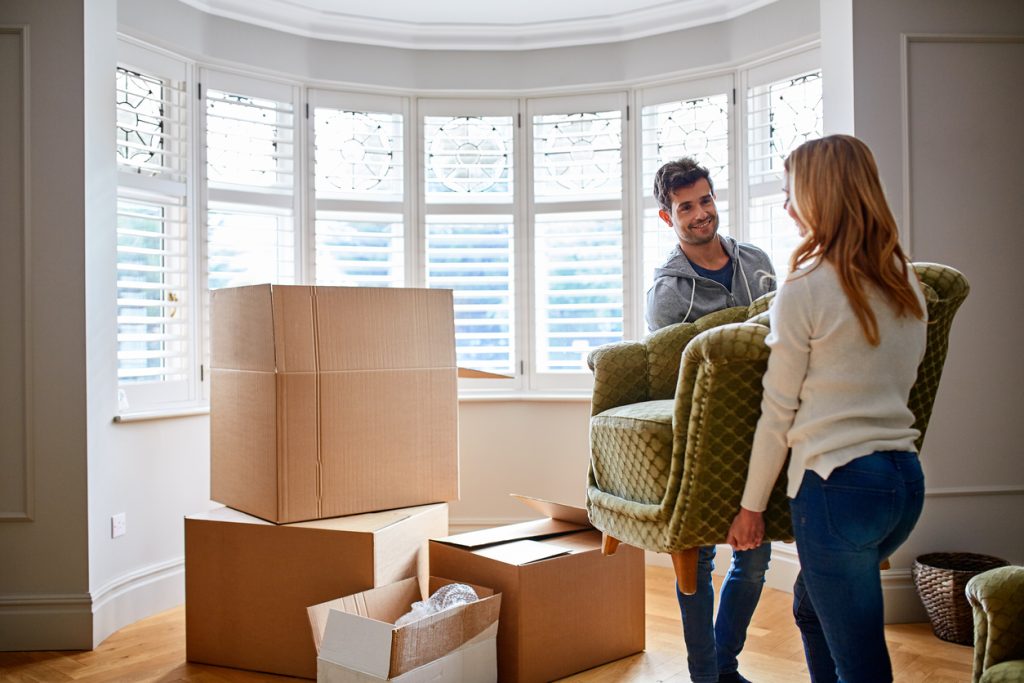
- Disassemble furniture if you can.
- Wrap furniture legs, shelves or anything you want protecting that’s prone to damage in transit with blankets.
Packing Electronics:
- Pack any electronic devices in their original boxes if you still have them.
- Cables should all be kept in a separate bag or small box and labelled. For example: “TV cables”.
Packing Soft Furnishings and Decor:
- Wrap breakable and delicate items like mirrors, picture frames and ornaments in bubble wrap or blankets.
- Pack away cushions, throws and rugs in larger boxes or bags.
- Make sure you remove light bulbs from lamps before packing to avoid breakage.
Packing Your Bedroom and Wardrobe
Bedrooms can appear to be one of the easiest rooms to pack for a house move; however, the contents of a wardrobe can make the task much more stressful. Here are some tips to help keep things simple:
- Disassemble bed frames if possible, and keep screws in labelled bags, ideally taped to the furniture.
- Wrap any headboards and dressers with blankets or protection covers.
- Sort out and declutter your clothes. If you haven’t worn it in a year, consider donating it.
- Use vacuum bags to save space. These are ideal for coats and duvets.
- Keep a bag of daily essentials separate, such as toiletries, a change of clothes, and chargers.
How To Pack Your Bathroom and Toiletries
Bathrooms are often one of the smallest rooms in the home, but they usually contain lots of small items that can take time to pack. Here’s how to get started:
- Throw away any empty bottles or old toiletry products you won’t be using.
- Keep all toiletry lids on tight and in plastic bags to make sure nothing leaks.
- Store any medication in a separate box and label it accurately.
- Daily bathroom items should be packed last in your essentials moving box.

Packing Fragile Items and Valuables
When you’re moving house, packing fragile items and valuables needs extra care and attention. Our tips below ensure your items will be packed away safely and minimise the risk of damage.
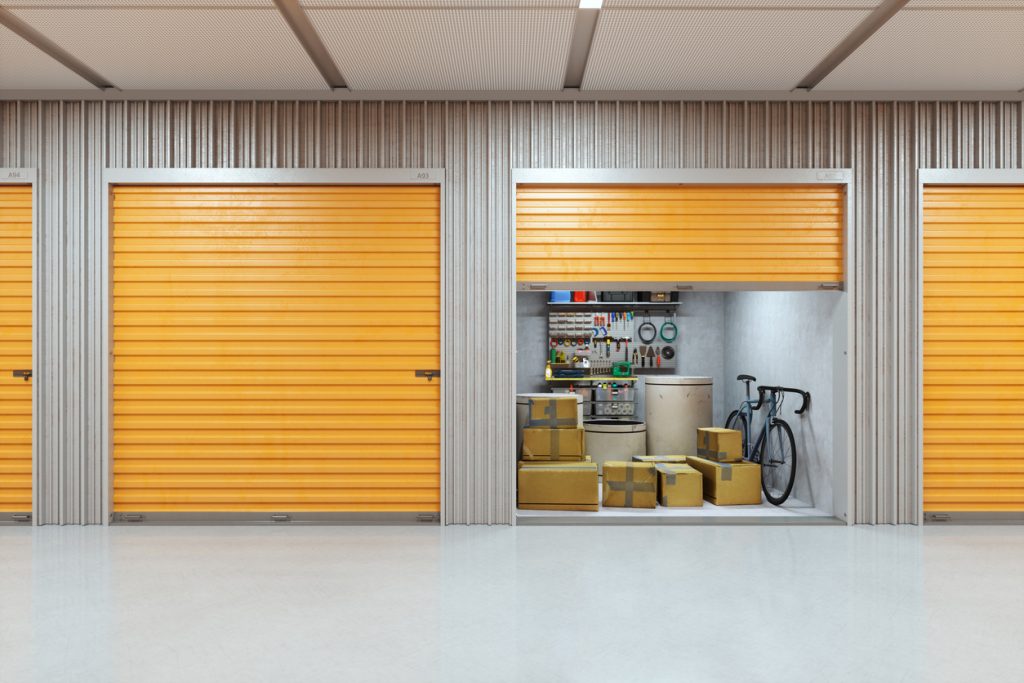
If you’re placing belongings into storage at any point during your move, having appropriate storage insurance can help protect them against accidental damage or loss while they’re stored.
Packing Fragile Items:
- Wrap items individually in bubble wrap or other packing materials. For extra delicate items, consider double wrapping to protect during transit.
- Use smaller boxes for heavy, fragile items such as plates, bowls, or glass dishes. Overloading large boxes increases the chance of breakage and makes them harder to handle safely.
- Layer each item carefully by placing heavier items at the bottom, and lighter items on top. Fill any gaps so nothing can move around.
- Label the boxes with “Fragile” or “Handle with Care” on multiple sides so it’s easy to spot when moving.
Packing Valuables
Valuables are the things that would be difficult or impossible to replace if lost or damaged. For example, jewellery, passports, legal documents, family heirlooms, etc. These should travel with you, not in a separate removals van.
Try not to label any boxes as “valuables”, as it’s better to keep these items discreet during a move.
How To Label Moving Boxes
You might have packed everything securely for moving house, but without a good labelling system, it can make moving day time-consuming and more stressful when unpacking in your new home.
Here are some straightforward steps to keep things organised:
- Which room is it for?
Always label which room the box belongs in. This helps movers place boxes in the correct room straight away, reducing the need to move them again later.
- What’s in the box?
Add a brief description of what’s inside the box. This makes it easier to find specific items without opening multiple boxes.
- Are the items fragile?
Clearly mark boxes containing breakable items with “Fragile” and “Handle with Care”. Write it on more than one side so it’s visible from every angle.
- Colour code each room
If you want to go a step further, you could also assign each room a colour by using stickers or coloured tape on each box. This means even if the labels are missed, the coloured sticker quickly identifies which room it needs to be in.
What NOT to Pack (Prohibited Items)
It’s important to know how to pack for moving house, but rarely do people think about what NOT to pack.
Certain items are prohibited from going into a removals van, this is for safety, legal and insurance reasons. Professional removal companies in the UK generally won’t transport items that are flammable, hazardous, corrosive, explosive or likely to spoil during transit.
Many UK home insurance policies only provide cover for a move if you use a recognised removals company and follow safety guidelines. A survey by Go Compare found that around 67% of British people were unaware that insurance may not cover a move unless professionals are used, meaning prohibited items and packing mistakes can leave you unprotected if something is damaged or lost.
Keep these out of your boxes:
- Flammable items: gas canisters, aerosol sprays, paint.
- Perishable foods: milk, fresh meat, anything that might spoil.
- Hazardous chemicals: bleach or strong cleaning agents.
If in doubt, the safest option is to check with your removal company in advance to avoid delays. Most removal companies will provide a prohibited items list when you book.
What to Keep Accessible on Moving Day
It doesn’t matter how organised you are; if you don’t have a box full of essential items for the first day or two in your new house, it’s likely to cause chaos.
Keep a box of essential items accessible to make life easier in those first initial days:
- Toiletries and towels
- Change of clothes
- Chargers and cables
- Kitchen essentials like the kettle, mugs, tea bags and coffee
- Basic tools such as a screwdriver, scissors and tape
- Snacks and drinks
Ready for Moving Day
Packing for moving house can feel overwhelming at first, particularly when you’re preparing for a full house move and trying to stay organised. However, with a clear packing plan, the right packing materials, and a structured room-by-room approach, moving house becomes far more manageable and significantly less stressful.
If you’re considering using storage during your move, it’s also useful to understand how much self-storage costs and factor this into your moving budget.
If you’re moving house in 2026, using the practical packing tips in this guide will help you stay organised, protect your belongings, and avoid common moving house mistakes. Taking the time to pack properly now will make moving day smoother and help you settle into your new home faster.