If your freezer or fridge freezer seems to be defrosting more often than it should, or isn’t keeping food properly frozen, it’s not just inconvenient; it could be costing you money and contributing to unnecessary food waste.
A study commissioned by Aldi revealed that 70% of adults admit to buying food they know will end up in the bin, and one in five (20%) never uses their freezer to prevent wastage, even though it can significantly extend shelf life and reduce waste.
Here’s why your freezer might be defrosting too much, and what you can do about it.
Important note: Most modern freezers are designed to defrost themselves automatically. A built-in timer periodically activates a small heater that melts frost from the evaporator coils, and the water drains away into a tray where it evaporates. This is completely normal and keeps your freezer running efficiently. However, if this cycle seems to be happening too often, or your food is thawing between cycles, something may not be working as it should.
Faulty Door Seal
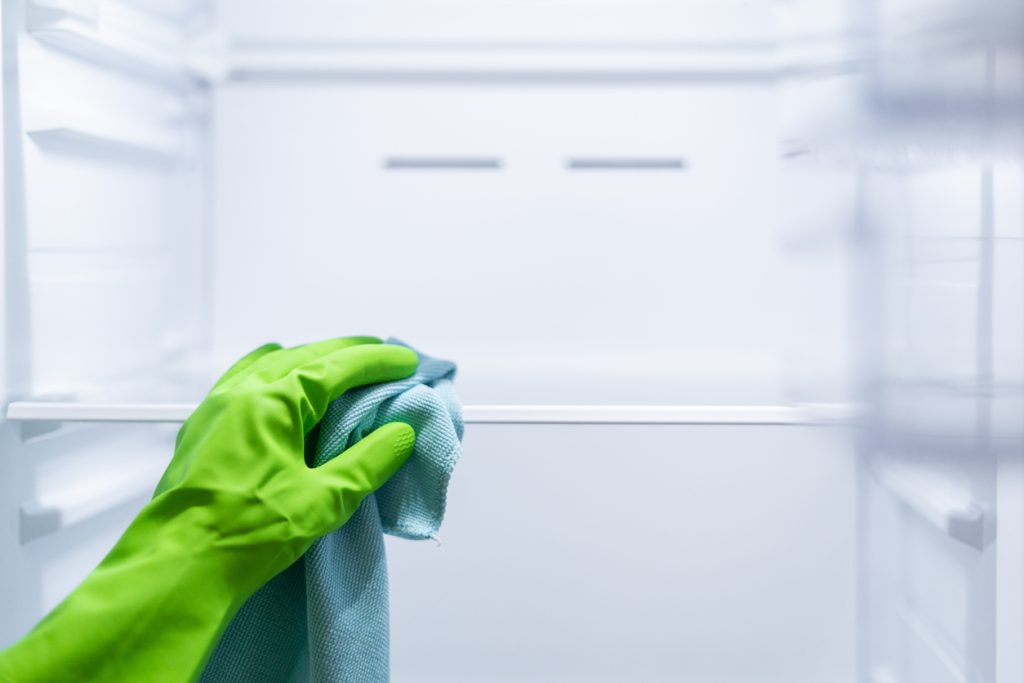
A common cause of frequent defrosting is a faulty door seal. The door seal keeps cold air in and warm air out. If the seal is no longer airtight, cracked, or dirty, warm air can enter the freezer, leading to moisture build-up, frost formation and reduced efficiency.
Signs your door seal might be failing include frost around the edges, the door not closing flush, or food defrosting near the front. A quick test is to close the door on a piece of paper, if you can pull it out easily, the seal may need replacing.

Home Insurance
Cover includes:
- Partial Or Full Rebuild Up To £1m
- Contents Cover Up To £100,000
- Tailored Policy To Your Requirements
- Policies Provided By sagic
Thermostat Issues
One of the simplest causes of frequent defrosting is an incorrectly set thermostat. Most freezers perform best at around −18 °C, cold enough to keep food frozen but not so cold that frost buildup becomes excessive.
If the thermostat is set too warm or has been accidentally bumped, the freezer will struggle to maintain a constant freezing temperature. This can trigger the self‑defrost function more often than necessary, making it seem like your freezer keeps turning itself into a fridge.
What you can try:
- Set the temperature to around −18 °C and leave the freezer undisturbed for several hours.
- Use a freezer thermometer if your model doesn’t display an exact temperature reading.
This simple adjustment can restore normal operation of your freezer without needing repairs.
Defrost Timer
If your freezer’s built-in defrost system starts failing, frost can build up on the evaporator coils and block airflow. This makes the freezer work harder and can create the impression that it’s defrosting too frequently
Signs to look out for that may indicate problems with the defrost timer include heavy frost behind the rear panel, the temperature swings between cold and too warm, and frost returning shortly after a manual defrost.
A qualified technician can test and replace a faulty defrost timer or heater. Maintaining this will help prolong your freezer.
Ice Buildup
Ice buildup is a common warning sign of an underlying issue with your freezer. Frost forms when warm air enters the freezer, particularly if the door is opened frequently or the freezer is very full. Once ice coats the evaporator coils, airflow is restricted, and the appliance may struggle to freeze evenly.
If you spot significant ice buildup in your freezer, follow the manufacturer’s instructions for a full manual defrost and dry the interior thoroughly before restarting. If frost quickly returns, this could indicate an underlying issue with door seals, the thermostat, or the defrost system itself.
When to Call an Engineer
Some freezer issues are straightforward fixes, but others require professional diagnosis.
You should consider calling an engineer if:
- The freezer continues to defrost despite thermostat and door seal checks.
- Ice returns quickly after a full manual defrost.
- You notice loud or unusual noises coming from the compressor or fans.
- Internal panels are heavily iced while the freezer still feels too warm.
According to manufacturers like Beko UK, the average fridge freezer will last around 10 years or even longer with proper maintenance and care. If your appliance is approaching this age and experiencing repeated faults, it may not be cost-effective to continue repairing it.
Recent UK repair data, citing a Checkatrade study, shows that common fridge-freezer repairs can vary significantly in cost. Replacing a thermostat typically ranges from £60–£130, while fixing a defrost mechanism may cost £80–£165. Door seal replacements are usually £95–£150, but more serious issues, such as compressor repairs, can reach £300–£480. If your freezer is over 8–10 years old and showing consistent problems, seeking professional advice can help you decide whether repair or replacement offers better long-term value.
Prevention Tips
Preventing your freezer from defrosting is often easier than fixing it. Here are some tips to keep your freezer working efficiently:
- Keep the temperature at −18 °C to ensure safe freezing without excess frost.
- Avoid overloading your freezer with too much food. This blocks airflow and increases moisture.
- Allow hot food to cool before freezing to reduce moisture entry.
- Clean door seals regularly, wiping away dirt and checking for gaps.
- Organise contents clearly and limit how long the door stays open.
- If your fridge freezer is kept in a garage or outbuilding, check the manufacturer’s minimum operating temperature. In cold weather, the ambient temperature can drop below the thermostat’s working range, causing the compressor to shut off and the freezer compartment to defrost. If this is an issue, look for a model rated for garage use or one with independent thermostats for the fridge and freezer compartments.
By taking care of your freezer and using it properly, you’ll not only improve its performance but also help reduce household food waste and save money. For extra peace of mind, take a look at our home insurance options, which can help cover unexpected appliance or home repair costs.