If you’re putting clothes into storage for a house move, renovation, travelling, or to free up some wardrobe space, packing them properly will help keep them in good condition.
Clothes that are stored incorrectly can become damp, lose their shape, develop mould or mildew, or even attract moths and other pests. Taking a little extra care before you pack them away can help ensure they’re ready to wear when you need them again.
Here are our top tips for storing clothes safely and keeping them in good condition.
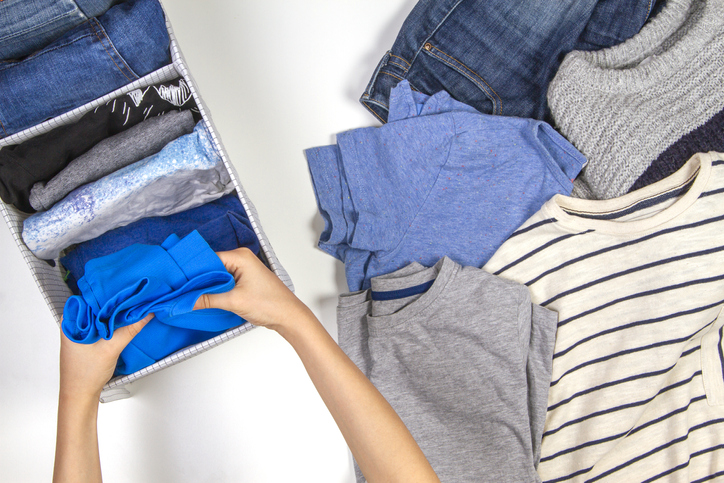
Wash and Dry Everything First
Before putting any clothing into storage, make sure everything has been washed and is completely dry.
Even small amounts of dirt or moisture can lead to stains, unpleasant smells or mildew developing over time. Damp clothing can also encourage mould growth, particularly if it’s being stored for several months.
This is also a good opportunity to sort through your wardrobe and decide what you really want to keep. If there are clothes you no longer wear, it may be better to donate or recycle them rather than paying to store them.
If you’re storing washable shoes such as trainers, clean them first and allow them to dry fully before packing them away.
For leather shoes and smarter footwear, remove any dirt and apply shoe polish where appropriate. This helps protect the material and keeps them in good condition while they’re in storage.
Sort and Make an Inventory
Keeping an inventory makes it much easier to remember what you’ve packed and where you’ve stored it. Your inventory could include:
- A brief description of each item
- The brand
- The size
- Which box or container it’s packed in
- Where it’s stored within your unit
If you’re storing valuable clothing or accessories, it’s also worth taking photographs and keeping any original receipts or proof of purchase. These can be useful if you ever need to make an insurance claim.

Storage Insurance
Cover includes:
- Theft, Fire, Flood, Pests & More
- Instant Certificate via Email
- No Hidden Fees & No Excess
- 90% of Customers Save With Us
How to Pack Different Fabrics
Different fabrics benefit from different packing methods.
- Cotton and synthetic fabrics can usually be folded neatly and stored in clean plastic storage boxes with secure lids.
- Silk, lace and other delicate fabrics benefit from being wrapped in acid-free tissue paper to help prevent creasing and discolouration.
- Wool clothing should be folded rather than hung to avoid stretching.
- Leather and suede should be stored in breathable garment bags rather than plastic, as these materials need air circulation to help prevent cracking or mildew.
Where possible, avoid packing clothes too tightly. Leaving a little room for air circulation can help prevent trapped moisture.
Hanging vs Folding
Some clothes are better stored on hangers, while others should always be folded.
Tailored items such as suits, blazers, coats and formal dresses are usually best hung in breathable garment bags to help them keep their shape.
Heavier knitted items, including jumpers and cardigans, should be folded instead. Hanging these garments can cause the fabric to stretch over time.
Avoid Vacuum Bags for Long-Term Storage
Vacuum storage bags are useful if you’re trying to save space, but they’re not ideal for storing clothes over long periods.
Keeping clothing compressed for months can flatten natural fibres, create stubborn creases and damage materials such as wool and silk.
If you’re storing clothes for a few weeks, vacuum bags are normally fine, but for anything longer, it’s better to use storage boxes or garment bags.
Plastic Boxes Over Cardboard
Plastic storage boxes with secure lids offer better protection than cardboard boxes.
Unlike cardboard, plastic is less likely to absorb moisture and helps keep out damp, dust and pests. Clear boxes can also make it easier to find what you’re looking for without unpacking everything.
Keeping Moths and Damp Away
Moths and damp are two of the biggest risks when storing clothing. To help protect your clothes:
- Make sure everything is completely clean and dry before packing.
- Use silica gel sachets to absorb excess moisture.
- Place cedar blocks or lavender sachets inside your storage boxes or wardrobes to help deter moths naturally.
- Avoid overfilling containers so that air can circulate around your clothing.
It is best to avoid traditional mothballs, as they contain strong chemicals that can leave unpleasant odours on fabrics.

Store Them in a Cool, Dry and Dark Place
Choosing the right storage environment is just as important as how you pack your clothes. Look for a clean, dry storage unit that isn’t exposed to excessive heat or humidity. Damp conditions can quickly damage clothing, especially natural fibres.
Ideally, your storage space should remain cool with low humidity. If you’re storing valuable clothing for a long period, it may be worth considering a climate-controlled storage unit.
Read our guide on climate-controlled storage to find out whether it’s the right option for your belongings.
Protecting High-Value Pieces
If you’re storing designer clothing, vintage garments or items with significant sentimental value, it’s worth taking a few extra precautions.
Acid-free storage boxes lined with acid-free tissue paper provide additional protection against discolouration and fabric damage during long-term storage.
If you have designer handbags, luxury clothing or large clothing collections, it’s also worth checking your insurance policy schedule. Some higher-value items may have individual limits, so it’s important to understand exactly what’s covered.
Check on Your Clothes
If you’re storing clothes for several months or longer, don’t just leave them untouched. Make sure you check on them from time to time so you can spot any signs of damp, mould or pests before they become a bigger problem.
Re-folding knitwear and adjusting hanging garments occasionally can also help them keep their shape.
If you notice unexpected deterioration, it may be time to review both your packing method and the storage facility you’re using.
Protect Your Clothes with Storage Insurance
If you’re using a self-storage unit, our Storage Insurance can help protect your belongings while they’re in storage.
Before taking out a policy, check your policy schedule so you understand any cover limits that may apply, particularly for designer clothing or other high-value items.
Frequently Asked Questions
Is it OK to store clothes in plastic containers?
Yes. Plastic storage boxes with secure clip-on lids are one of the best options for long-term clothes storage. Unlike plastic bags, they provide better protection against moisture, dust and pests while still keeping your clothes organised.
How do you preserve clothes for years?
Wash and dry everything thoroughly before packing, store clothes in clean plastic storage boxes or breathable garment bags, and keep them somewhere cool, dry and out of direct sunlight. Checking and re-folding clothes every six months can also help prevent permanent creasing.
Can you store clothes in vacuum bags long term?
Vacuum bags are suitable for short-term storage, but they aren’t recommended for storing clothes for months at a time. Long-term compression can damage natural fibres such as wool and silk and leave difficult-to-remove creases.
How do you stop clothes going mouldy in storage?
Always store clothes clean and completely dry. Use plastic storage boxes with secure lids or breathable garment bags where appropriate, add silica gel sachets to help absorb moisture, and choose a dry storage unit with good ventilation.
Should clothes be hung or folded?
Tailored garments like suits, jackets and coats should be hung in breathable garment bags to help them keep their shape. Knitwear, including jumpers and cardigans, should be folded to avoid stretching.