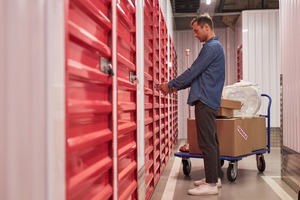
There are many reasons why you might need a self-storage unit at some point. You might be moving home or renovating, or you might be going through a major life event and need somewhere secure to store some belongings in an “in-between” solution.
Regardless, it can be stressful to navigate the world of self-storage at times. How do you pick the right facility? How do you know what type of storage you need? And, how do you pack your items to keep them safe for when you go to retrieve them in the future?
In today’s blog post, we’re sharing our comprehensive guide for self-storage users, designed to simplify the process and provide useful tips for making the most of your storage experience, from packing your belongings to identifying what type of storage unit is best for you.
The Surewise Self Storage Guide
We’ll cover everything you need to know, including:
- Packing your items safely and efficiently
- Choosing the right storage unit for your needs
- Understanding the different types of storage available
- The importance of self-storage insurance
Download the full guide to read at your leisure here:
While our Self Storage Guide delves into all the details, these are the most important parts for browsing at a glance:
What Is Self-Storage?
The clue to self-storage is in the name – a designated place where you can put your items into storage. There are many more types than you might think, each with advantages and disadvantages:
- Individual units: These will usually be found in multi-unit buildings, and can vary in size.
- Containers: These are large metal containers, usually made from weather-resistant steel.
- Wooden crates: These are usually used for fragile or valuable items, like artworks, antiques, or electronics.
- Lock-up garages: These often lack all-important security measures and protection.
- Box storage: Companies come to collect boxes from your home, store them for you at their facility, and return them when you need them.
How to Find the Right Storage Facility
If you’re considering a storage facility, there are some key security features to look out for, including:
- CCTV
- Fire alarms and sprinklers
- A fenced perimeter
- Manned surveillance
- A check-in and check-out log
- Damp-proof units
Other features to consider include cost, length of contract, insurance, opening hours, particularly if you’ll need to access your facility 24/7, and location.
If you’re storing business equipment or paperwork, it’s also best recommended to use a temperature-controlled storage unit.
Tips for First Time Storage Users:
- Look for the best deal, not the cheapest
- Store safely
- Know the replacement value of items stored. The value of your stored items is covered by self-storage insurance, available at an additional cost, in the event of an unexpected incidents such as natural disasters, vandalism or malicious damage, leaking water, falling trees, telegraph poles, and lamp posts. Think carefully about storing irreplaceable, sentimental items. If you do store them, they should be stored above the floor level in your unit.
- Pack your things safely. We cover how to do this in the full Self Storage Guide. You’ll need storage boxes, packing tape, and bubble wrap, and optionally a clothes rail and dust cloths.
- Take an inventory. It’s a good idea to purchase some inventory QR codes for this.
Things to Consider When Buying Storage Insurance:
- What am I covered against?
- What items are actually covered? There is a maximum value for some items, and anything over this is not covered. Of course, it’s vital to ensure that what you’re storing in your unit is covered by your policy.
- Is there any excess on your policy? To note, storage insurance policies with Surewise taken out after 1st June 2018 have no excess fee.
- Are you paying a fair price? Storage facilities often overcharge, meaning it’s usually cheaper to use a third-party insurance provider, such as Surewise. But, some storage facilities will not accept third-party insurance policies, so check before you buy.
- Does storage insurance cover all storage providers? There are specific criteria in order to get suitable insurance for your belongings, the details of which are covered in our Self Storage Guide.
What To Do If You Need To Make a Self-Storage Claim
It’s best recommended to have receipts for your items when making a claim but, as we understand, this isn’t always possible. However, you certainly should take photos of any items you’re storing. Both receipts and photos can be given to us in the event of a claim.