The start of a new year always brings plenty of promise, with many of us feeling a fresh burst of energy and inspiration. If you want to hit the ground running in January, now is the perfect time to tackle the clutter before the festive season is in full swing. And if you’re looking to get on top of the house and truly make it a home, this article on New Year storage tips is just for you. We’ll be exploring how to organise, sort, and store anything and everything.
Key Takeaways
- Organising your items for storage is a proven way to free up space at home
- You will be able to beat the clutter, catch up on the DIY, and handle the housework
- Starting to declutter before the New Year is in full swing is a great place to start
- Our guide on how to declutter your home can help you get off to a quick start
Look At What You Already Have In Storage
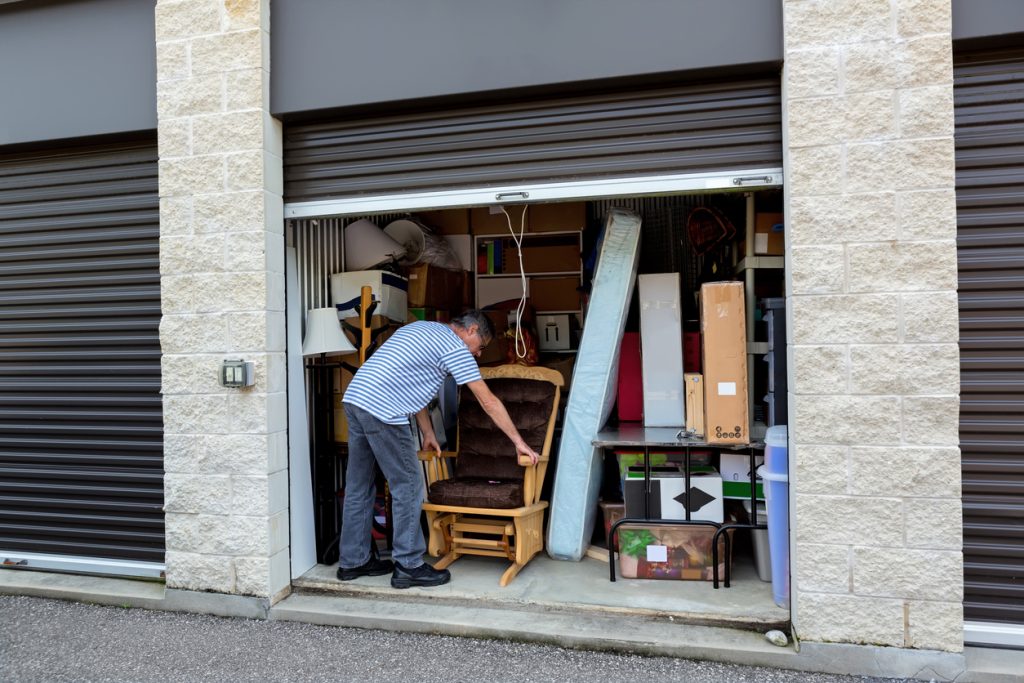
If you already have a self-storage unit housing unwanted clutter, a good first step is to go through these items before you add more belongings to your collection. You may have items in storage for your business, due to downsizing your home, or just because you don’t have anywhere else to put them.

First, take stock of your inventory and identify any items that you simply don’t need anymore. Remember, you must keep your inventory up to date. If the value of your items increases or decreases, you need to let your storage insurance provider know so you can adjust your cover. Being overinsured will cost you more, and being underinsured can invalidate a claim. Another benefit of reviewing your inventory regularly is that if you’re hanging on to expensive things you no longer need, passing them on or selling them can make a difference.

Storage Insurance
Cover includes:
- Theft, Fire, Flood, Pests & More
- Instant Certificate via Email
- No Hidden Fees & No Excess
- 90% of Customers Save With Us
Start Small When Decluttering Your Home
Next, go through the items you no longer want or need in your home. Working through one room at a time will reduce the feeling of overwhelm at the task ahead. When it comes to decluttering, it often has to look worse before it can get better – embrace the mess whilst you are sorting.
Small items such as old books and clothes that are just gathering dust in your attic are prime candidates to sell or donate. Whilst these items are small individually, it doesn’t take long for them to accumulate and take up precious space.
Follow these steps when having a clear out:
- Sort your items into three piles: one for storage, one for donating/selling, and one for throwing away
- Be bold: don’t hang on to things you haven’t used for the past year and realistically won’t be using again
- Think about whether your decluttering drive will lead to redecorating or remodelling—plan what may need to go into storage accordingly
By starting small and working consistently, you will be able to get into your stride before you know it. Just what you want to hear when you’re looking to make 2026 the year your home really feels like home.
Consider Where to Keep Sentimental Items
More sentimental items, such as photo albums, family heirlooms, etc., can leave you wondering what to do with them because they can take up valuable storage space in your home, but of course you know you will want them one day. That said, you should think carefully before transferring them to a storage unit, only doing so when you feel comfortable that it is fully secure and has any climate control functionality your valuables may require.
Remember, while your storage insurance covers the value of your items from unexpected incidents such as a fire, you can never replace the sentimental value of photos and memories. You may prefer to keep these items in a safe storage space in your own home rather than trusting them to a storage facility.
Invest in Extra Storage Solutions
Sturdy boxes, stable shelving, and a range of other organisers will help you get everything in order and clear up some space. Some great storage items for organising around the home include:
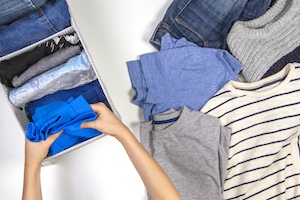
- Drawer organisers for clothes, socks and accessories
- Underbed storage boxes for blankets and duvets
- Vacuum sealed bags for seasonal clothes you don’t need regular access to
- Additional shelving units for the kitchen
- Kitchen organisers to create more room in the cupboards and pantry
And if you’re putting an item into a storage unit, consider the following options to keep it safe and protected:
- Sealed plastic boxes– These are more durable than cardboard and protect your items from damp, dust, and rodents
- Packing tape to securely close boxes-If you can’t use plastic boxes, make sure your cardboard boxes are well sealed.
- Bubble wrap or Honeycomb paper to protect fragile items
- Dust sheets for larger items of furniture
- Garment bags for clothes- never store clothing loose; always cover it
- Marker pens to correctly label everything- this makes it much easier to locate your items when you need them
The Final Checks
When you get into your stride, you will start to relish in the prospect of all that reclaimed floorspace and the shelves full of neatly organised items. While it’s great that you’re making progress, pausing to double-check what you’re doing from time to time is important.
Here are three simple questions to ask yourself before you make choices you cannot undo:
- Am I throwing away anything that has sentimental value to someone I love?
- Does this item require climate-controlled storage to keep it in its current condition?
- Will I feel more comfortable putting this item in long-term storage than throwing it away for good?
Before putting items into storage, make sure you have the correct self-storage insurance in place to protect the full value of your belongings.