Heading off abroad for a few months can be exciting, but it also comes with a long list of practical things to sort before you go. One of the biggest questions people face is what to do with their belongings while they’re away.
Whether you’re travelling for work, going backpacking, taking an extended holiday, or spending time overseas with family, self-storage can be a simple and reliable way to keep your possessions safe until you return.
The key is making sure your storage unit is properly prepared before you leave the country. From security and insurance to payments and packing, a little planning now can save you stress later.
What to Do With Your Belongings Before You Travel Abroad
Before moving anything into storage, take time to decide what you actually need to keep. If you’re going away for several months or longer, it can help to sort your belongings into categories:
- Items to take with you
- Items to store
- Items to sell, donate, or recycle
This not only reduces clutter, but it can also help you rent a smaller storage unit and save money.
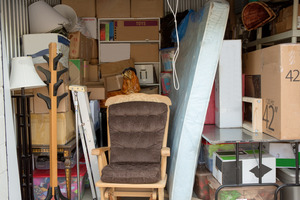
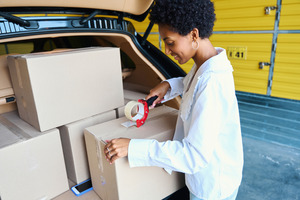
Once you know what’s going into storage, spend some time packing everything properly. Long-term storage conditions are normally safe, but your belongings still need protection from dust, damp, and accidental damage.
A few simple packing tips include:
- Use sturdy boxes rather than bin bags
- Label everything clearly
- Wrap fragile items carefully
- Avoid overfilling boxes
- Store heavier items at the bottom
- Leave small walkways so you can access things later
It’s also worth creating an inventory of everything you’re storing. A quick spreadsheet or notes app can make it much easier to remember what’s inside your unit while you’re abroad.
How to Choose the Right Storage Unit for a Long Trip
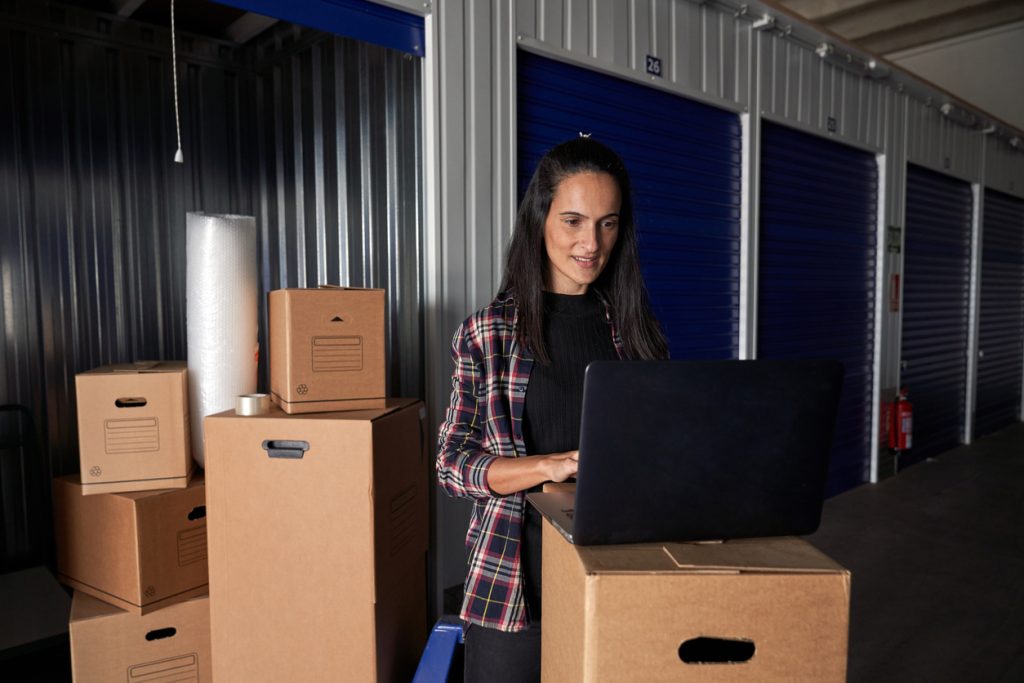
Not all storage units are the same, and it’s important to think beyond just the price. You’ll want a storage provider that offers strong security, flexible access, and reliable customer support. A few important things to look for include:
Security Features
Look for facilities with:
- CCTV monitoring
- Secure gated access
- Individual unit locks
- On-site staff
- Good lighting throughout the site
If you’ll be abroad for several months, knowing your belongings are stored somewhere secure will give you peace of mind.
Unit Size
A self-storage unit that’s too small can lead to damaged items from overpacking, while an oversized unit means paying for unused space.
Many storage companies offer online size guides or virtual estimators to help you work out what you need.
Climate Control
If you’re storing wooden furniture, electronics, artwork, documents, or clothing for a long time, a climate-controlled unit may be worth considering.
These units help protect against damp, humidity, and temperature changes that could damage sensitive items.
Access Arrangements
Think about whether someone may need access to your unit while you’re abroad.
If a family member or friend might need to collect something on your behalf, check the storage company’s access rules in advance and make sure authorised access is set up properly.
Keeping Your Unit Secure While You’re Away
When you’re travelling abroad, you won’t be able to check on your storage unit regularly, so security becomes even more important.
Start with a high-quality lock rather than relying on the cheapest option available. Disc locks and heavy-duty padlocks are usually more secure and harder to cut.
Avoid labelling boxes with words like “Jewellery”, “Laptop”, or “Expensive Equipment”. Simple labels such as “Bedroom Items” or numbered boxes are safer.
Before leaving the country, make sure:
- Your storage provider has your latest contact details
- You’ve added an emergency contact in the UK if possible
- You understand how the storage facility contacts customers if there’s an issue
- You’ve checked the unit properly before locking it up
Managing Your Storage Payments From Overseas
One of the easiest mistakes to make when travelling abroad is forgetting about ongoing storage payments.
Before you travel:
- Set up automatic payments if possible
- Double-check your payment card expiry date
- Make sure your provider has an active email address
- Save copies of your storage agreement digitally
It’s also worth noting that some banks block overseas transactions if they appear unusual, so notifying your bank before travelling abroad can help avoid payment problems.
What Does Storage Insurance Cover When You’re Abroad?
Many people assume their belongings are automatically covered while in storage, but this isn’t always the case.
Some storage facilities include limited protection, while others require you to arrange separate cover. That’s why it’s important to understand exactly what your policy includes before you travel.
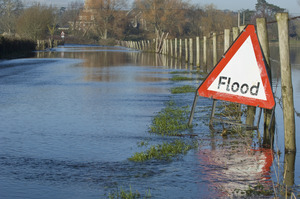
A specialist storage insurance policy can help protect your belongings against risks such as fire, theft, flood, storm damage, and other unexpected events while they are in storage.
However, levels of cover, limits, and conditions can vary depending on the policy and provider.
Because of this, it’s always worth checking the details carefully so you know your belongings are properly protected while you’re away.
Self-Storage Mistakes to Avoid Before Travelling Abroad
People often focus so much on planning their trip that they overlook important storage details. Some of the most common mistakes include:
- Forgetting to insure stored belongings properly
- Using weak or poor-quality locks
- Packing damp clothing or furniture into storage
- Leaving food items inside boxes
- Not checking payment arrangements before travelling
- Not keeping an inventory of stored items
- Choosing a unit that’s too small
Avoiding these problems can make returning home much easier.
Checklist: Before You Leave the Country
Before you travel abroad, run through this quick checklist:
- Sort and declutter your belongings
- Pack items securely in labelled boxes
- Take photos of valuable belongings
- Create a storage inventory
- Choose a secure storage facility
- Use a strong lock
- Arrange storage insurance
- Set up automatic payments
- Save copies of contracts and receipts
- Leave emergency contact details
- Confirm access arrangements if someone may need entry
A little preparation before you leave can help you relax and enjoy your travels knowing your belongings are protected back home. For more tips and guidance, take a look at our detailed Self-Storage Guide for even more tips.